Acetyl-L-Carnitine Explained In Plain Language
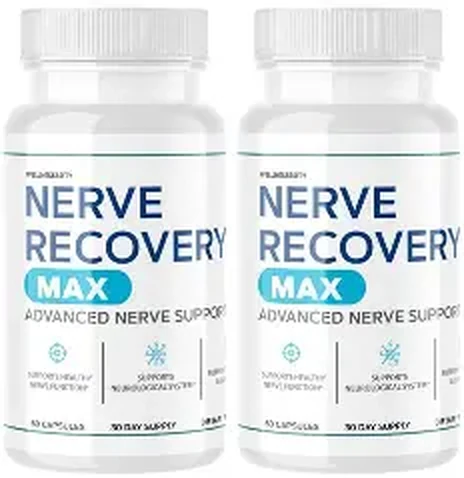
Acetyl-L-carnitine is another ingredient a third-party review lists for Nerve Recovery Max. This guide explains it without hype.
What is acetyl-L-carnitine?
Carnitine is a compound your body makes and also gets from foods such as red meat and dairy. It helps move fatty acids into the cell’s energy centers. Acetyl-L-carnitine (often shortened to ALCAR) is a form that is also found in nerve tissue, which is why it appears in products aimed at nerve health.
Strict vegans get little carnitine from food, although the body makes some. That does not mean everyone needs a supplement.
What does research say?
Studies of ALCAR have looked at nerve symptoms in several groups, with mixed findings. One well-known trial in women receiving taxane chemotherapy found more nerve symptoms, not fewer, among those who took it. For that reason anyone in cancer treatment should speak to their oncology team before taking any nerve supplement.
As with the other ingredients, we could not confirm the amount per serving in Nerve Recovery Max from the images we saw.
Cautions from the NIH fact sheet
The NIH Office of Dietary Supplements notes that carnitine can cause seizures in people who have seizure disorders, and that some seizure medicines (valproic acid, phenobarbital, phenytoin, carbamazepine) lower carnitine levels. Higher amounts may cause nausea, vomiting, cramps, diarrhea and a fishy body odor.
Some references also raise questions about thyroid medicine and blood thinners, so a short chat with your pharmacist is sensible if you take either.
Bottom line
ALCAR is a legitimate ingredient with real cautions. It should be treated like any other active ingredient: read the label, tell your clinician, and stop if you feel unwell.
🩺 Seizure disorder, thyroid medicine, blood thinners or cancer treatment? Speak to your doctor or pharmacist before taking any product containing acetyl-L-carnitine.
Sources
Related Guides
Ready To Look At The Official Offer?
Read the facts first, then check the seller’s current offer, pack options and guarantee terms on the official order page.

🔒 You will be taken to the seller’s own secure order page. Prices, pack options and guarantee terms are set by the seller and can change.