Vitamin B6 Safe Limits: Why More Is Not Always Better
Vitamin B6 is essential, but unlike many vitamins it can harm nerves when taken in large amounts for a long time. This is one of the most overlooked points in nerve-support supplements.
What the NIH says
The NIH Office of Dietary Supplements sets the adult tolerable upper intake level for vitamin B6 at 100 mg per day. It also notes that taking 1–6 grams of oral pyridoxine daily for 12–40 months can cause severe and progressive sensory neuropathy, and reports describe nerve symptoms at lower intakes in some people.
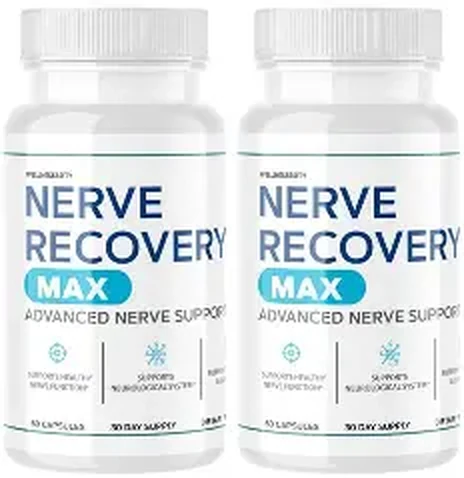
A third-party review says Nerve Recovery Max uses B6 as P5P. We could not confirm the amount on the bottle, so check the Supplement Facts panel yourself.
Count every source
B6 hides in multivitamins, B-complex tablets, energy drinks, protein powders and fortified cereals. If you take several products, add the B6 from each one.
Warning signs to take seriously
New numbness, tingling, burning or unsteadiness while taking a B6-containing product could be a sign of too much. Stop the product and talk to a clinician.
What to do
Show your supplement labels to your doctor or pharmacist and ask them to total the amounts. Do not take extra B6 on top of a multi-ingredient capsule unless you have been told to.
🩺 Taking more than one supplement with vitamin B6? Add the amounts together and compare the total with the NIH upper limit of 100 mg per day for adults.
Sources
Related Guides
Ready To Look At The Official Offer?
Read the facts first, then check the seller’s current offer, pack options and guarantee terms on the official order page.

🔒 You will be taken to the seller’s own secure order page. Prices, pack options and guarantee terms are set by the seller and can change.